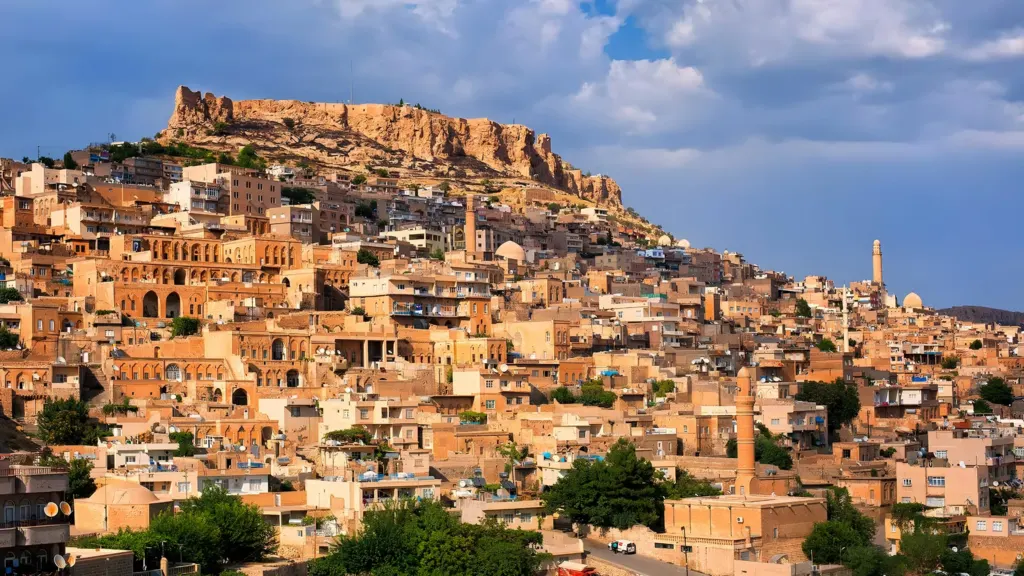

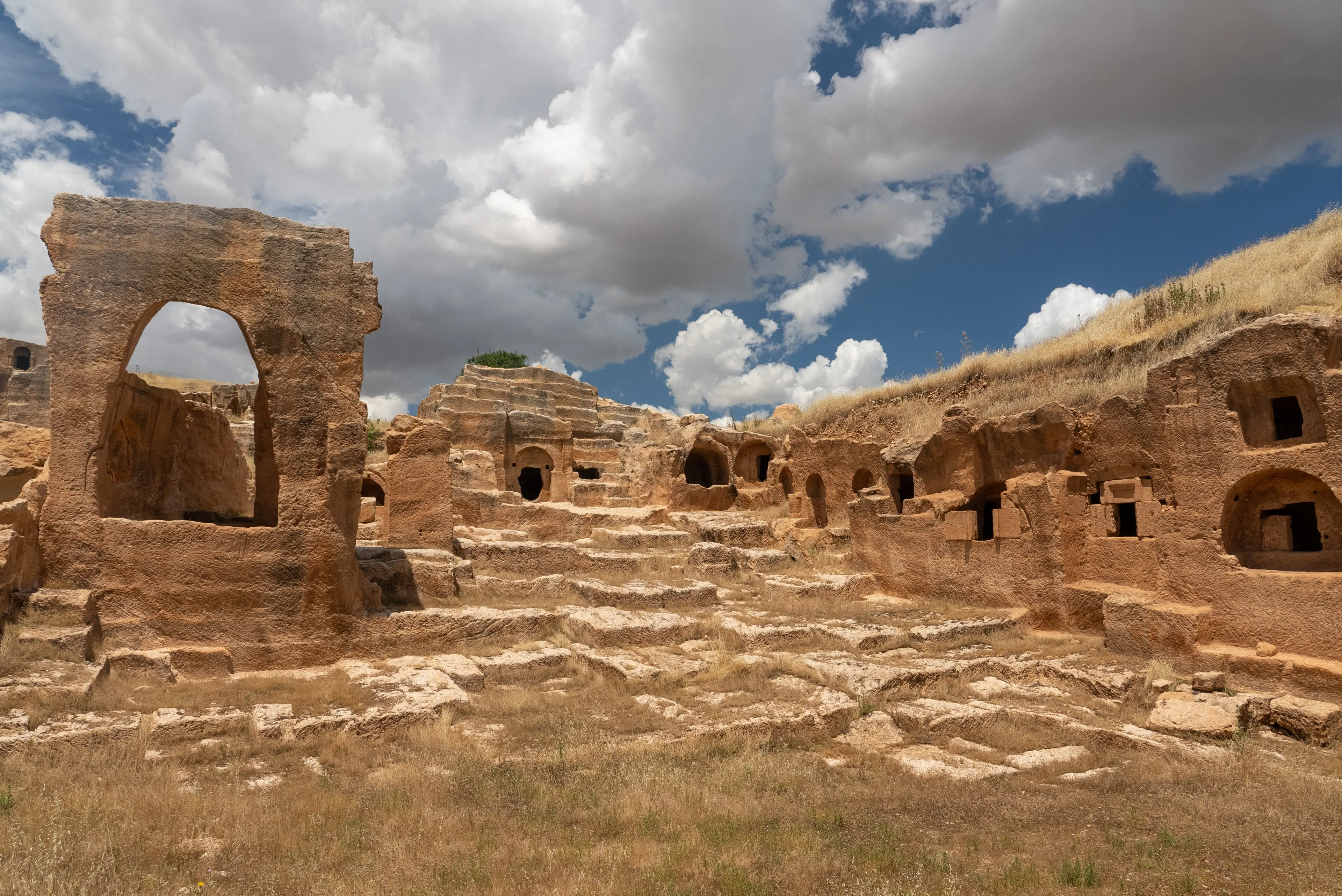
Half an hour southeast of Mardin, on the road to Nusaybin and the Syrian border, the village of Oğuz is built on top of a city. Farmhouses lean against Byzantine walls, lanes run over buried streets, and under the village the ground opens into a vast stone cistern. This is Dara, once called Anastasiopolis: the fortress the Eastern Roman Empire built to face Persia.
Why a city here
In 363 the Romans lost Nisibis, today’s Nusaybin, to Persia under the peace that followed Emperor Julian’s death on campaign. For more than a century the frontier had no strong city on the Roman side, and when the Persian king Kavad took Amida (Diyarbakır) in 503, Emperor Anastasius decided to build one. Within a few years, around 505 to 507, a walled city rose where the hills of Tur Abdin meet the Mesopotamian plain, less than 30 km from Persian Nisibis. It was named Anastasiopolis after him, but the place’s older name, Dara, outlived it.
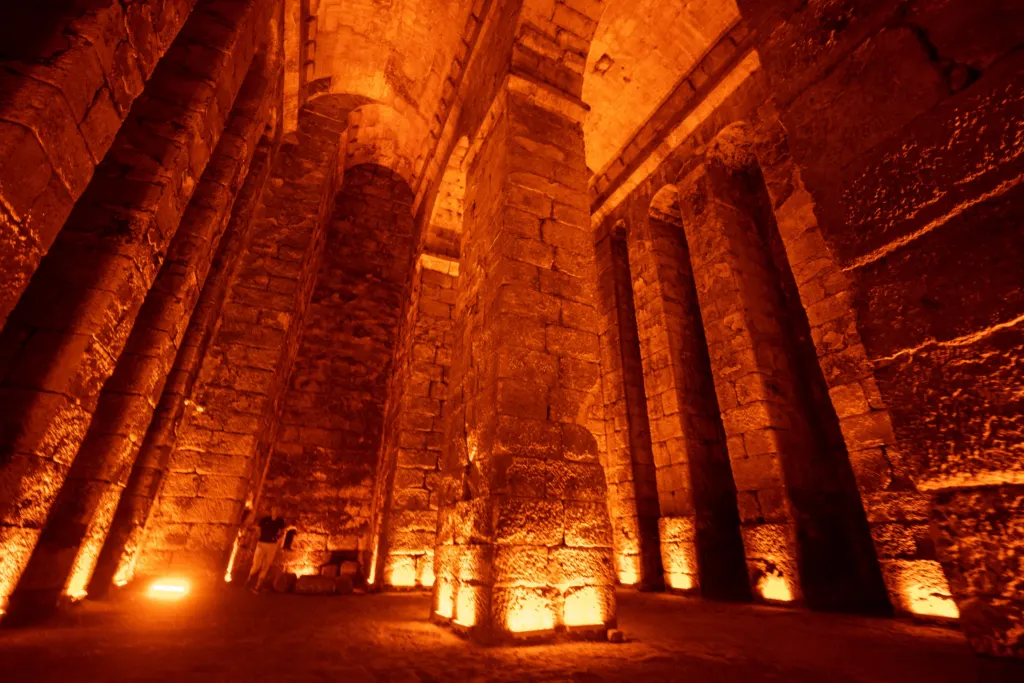
A generation later Justinian rebuilt and raised the walls. His historian Procopius spends pages on how the engineers kept the stream that runs through the town flowing for the garrison and out of the reach of besiegers. Water was Dara’s strength in a siege, and its cisterns are still what visitors remember.
The battle of 530
In the summer of 530 a Persian army of some 50,000 men marched on Dara. Belisarius, a young general at the start of his career, had about half as many. He drew his men up in front of the walls behind a line of ditches, hid a troop of cavalry behind a hill on the flank, and broke the Persian attack. Procopius, who served on Belisarius’s staff, was there and wrote it down. It was the first of the victories that made Belisarius famous.
The peace did not last. In 573, after a siege of about six months, Dara fell to the Persian king Khosrow I, and the news is said to have pushed Emperor Justin II into madness. Khosrow II gave the city back in 591, in thanks for Roman help in winning his throne, then took it again a few years later. Around 640 Dara passed to the Arab armies, and its time as a frontier was over.
What you see today
The cistern
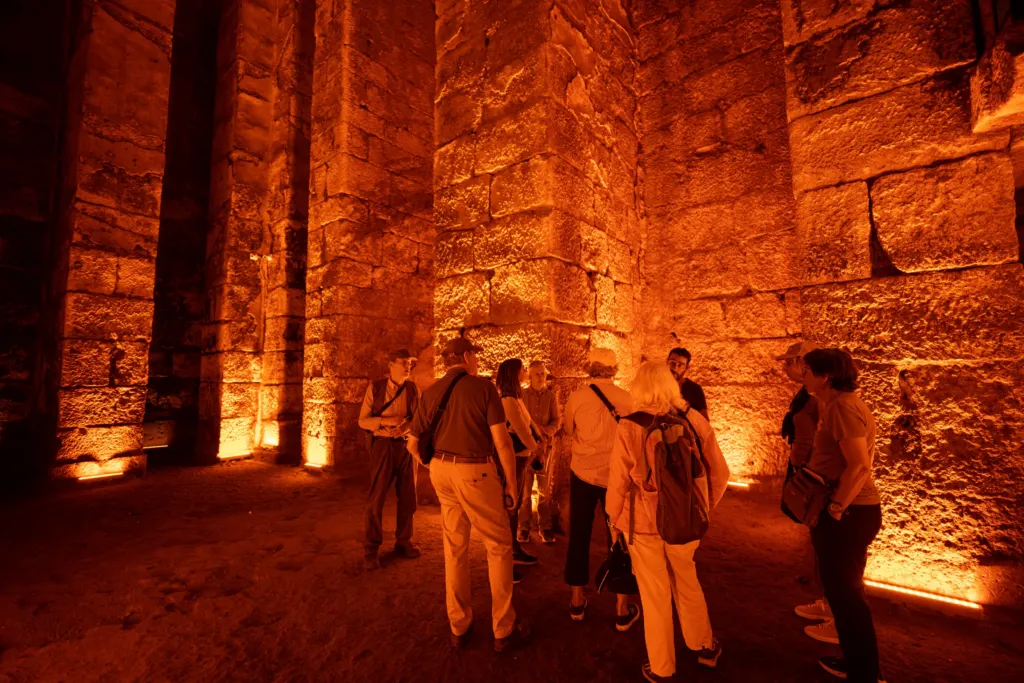
For most of our guests the cistern is the moment they remember. A few steps take you down out of the sun into a hall of tall stone piers and arches, cool even in high summer and lit warm from the floor. Locals often call it the zindan, the dungeon, but it was built to hold water for the city.
The necropolis
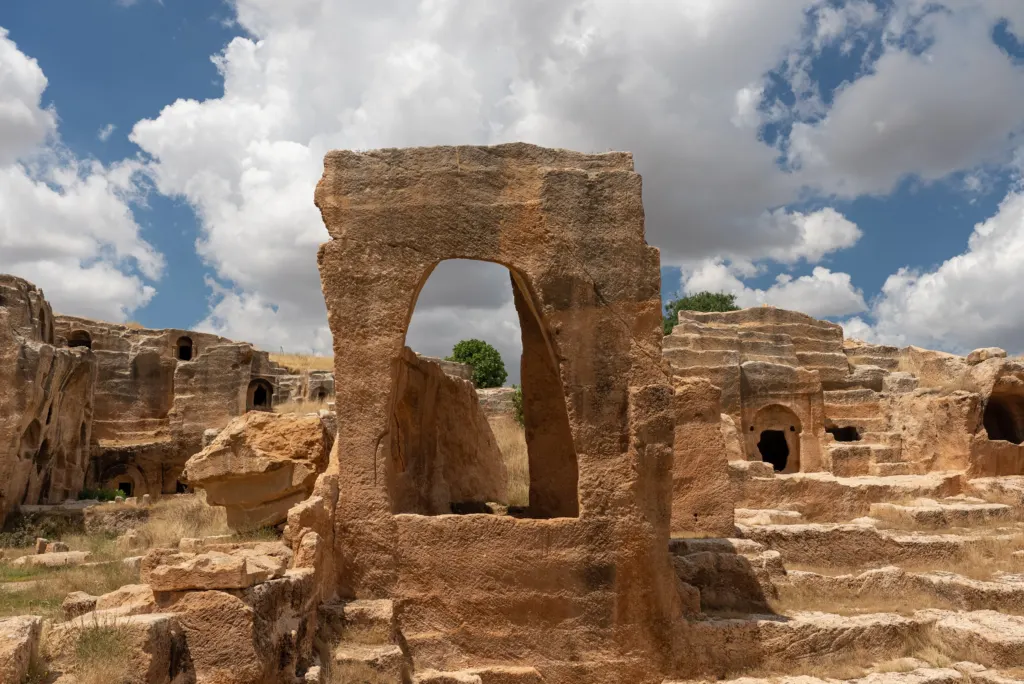
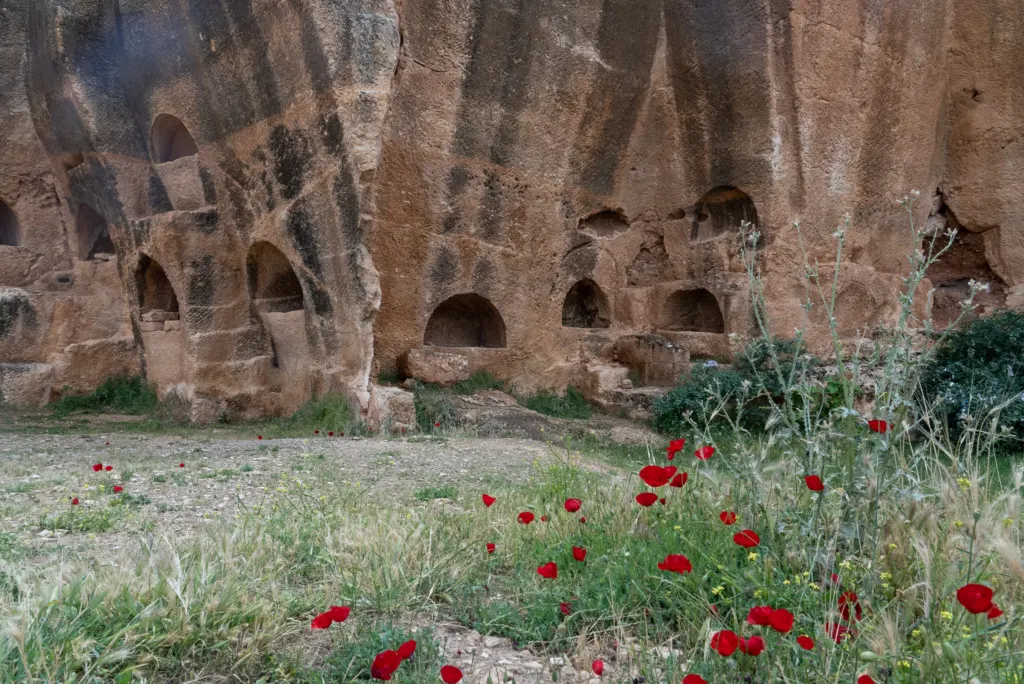
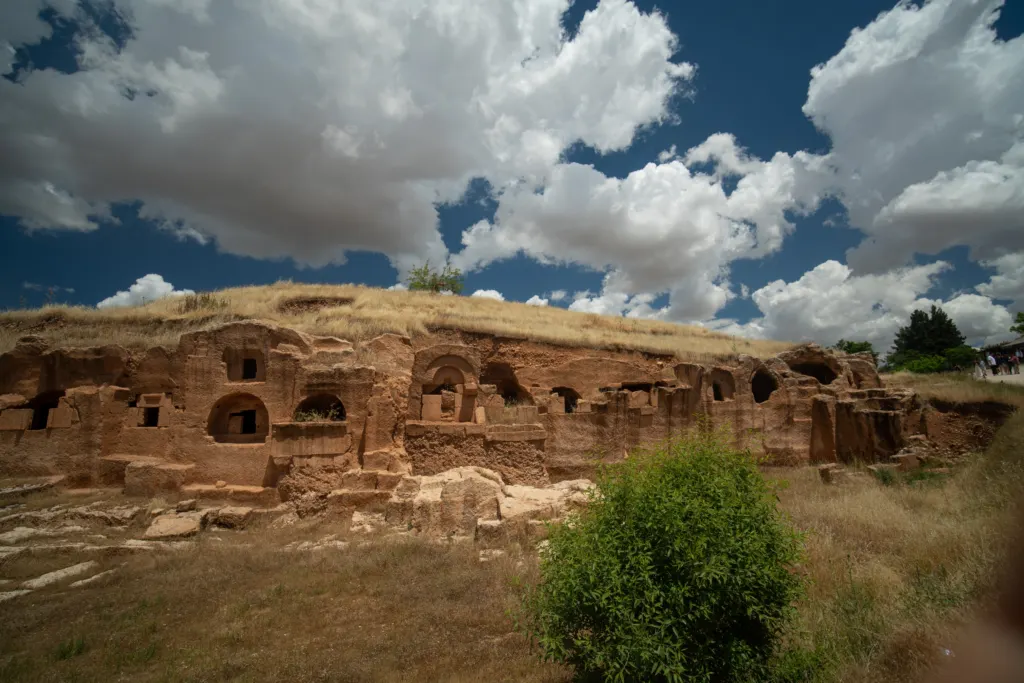
An old quarry at the edge of the village became the city’s cemetery. Its rock faces are cut into terraces of tombs, each with an arched doorway, and steps carved into the stone climb between them. A single free-standing arch still frames the sky. In spring the quarry floor is green, with poppies below the tombs.
A city still being found
Stretches of the walls and towers still stand. Mardin Museum has been excavating here since the 1980s, and each season brings a little more of the city’s streets and buildings out of the fields. Much of Dara still lies under the village, so you walk through it as the villagers do, between their gardens and the ruins.
Visiting Dara
- Time: Dara is about 30 km from Mardin, half an hour by car. A morning is enough for the cistern, the necropolis and the walls. Pair it with Deyrulzafaran Monastery, on the same side of the city, and you are back in Mardin’s old town for lunch.
- Season: spring (April and May) and autumn are the best months. In July and August the plain is very hot and the site has little shade.
- Shoes: wear shoes with grip. The cistern steps and the quarry floor are uneven.
- A guide: the stones make far more sense with someone who knows the story of the two empires that fought over them.
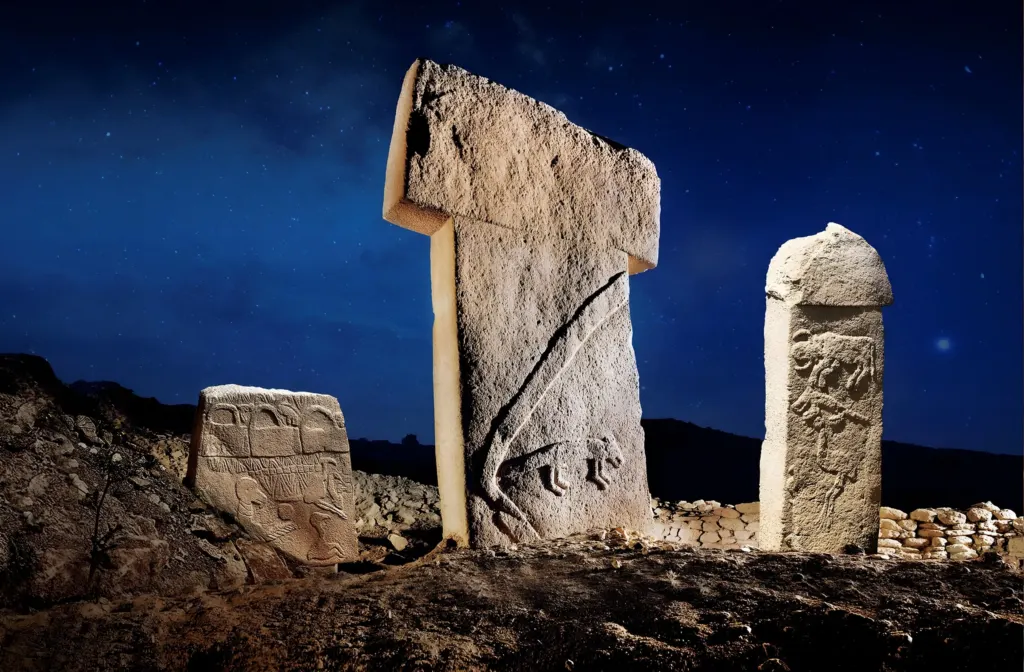
We can add Dara to our Dawn of Man journey, or to any trip that stops in Mardin. See what else Southeastern Turkey holds, from Göbeklitepe to Harran.